
Full-stack, end to end.
From Postgres indexes to the last easing curve — one person, whole product. This is the mode that ships the thing.
- Type-safe API → UI in one pass
- Edge-cached, server-rendered
- Accessibility built in, not bolted on
I build production-ready, performant web applications that bridge the gap between rigorous engineering and intentional design.
Monitoring, tracing, self-healing loops. Move your cursor through the mesh — the nodes respond the same way my telemetry does: nothing drifts unnoticed.
uptime, engineered
events / day served
p99, where it matters
builds made faster

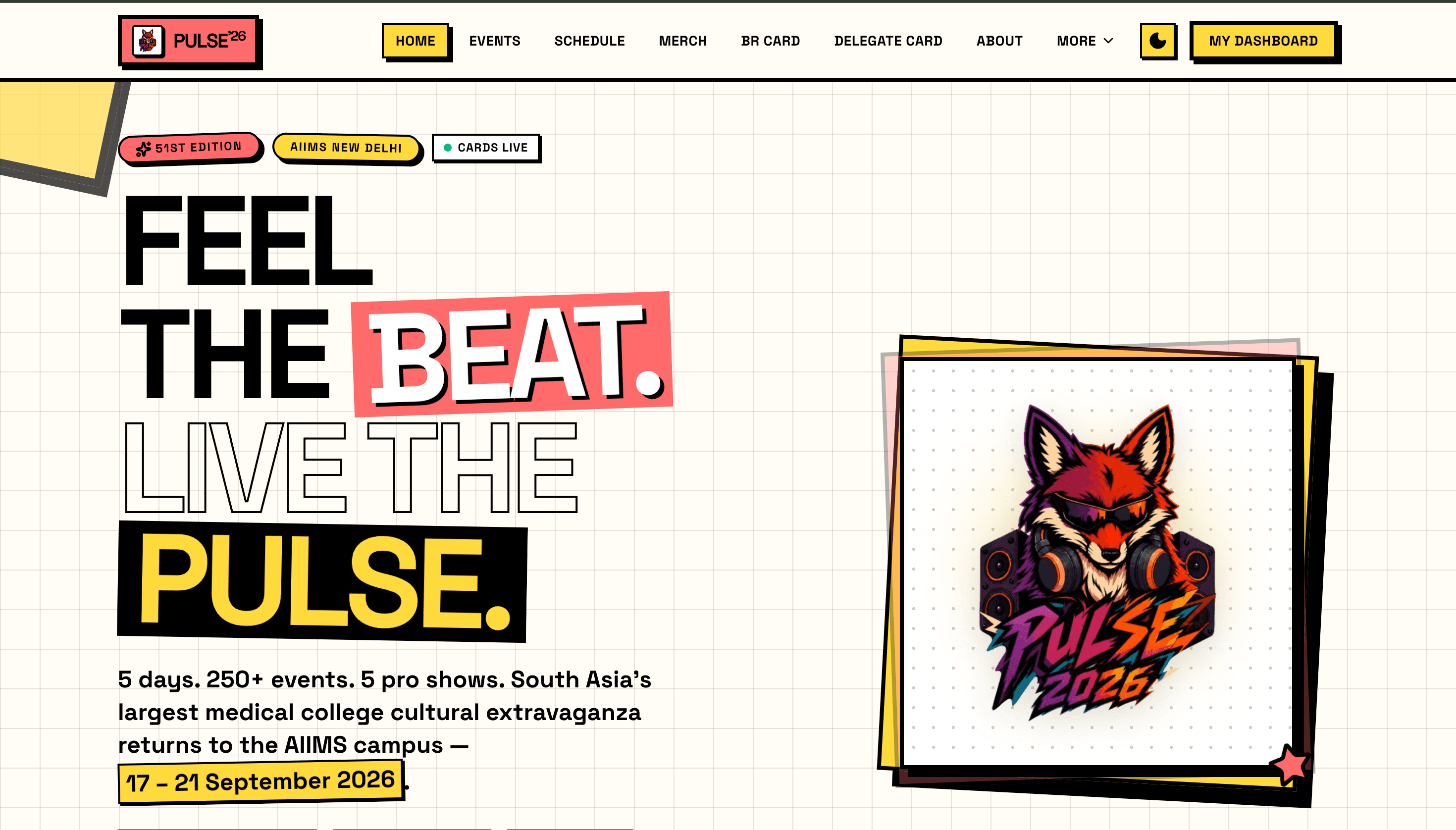
A mission-critical medical festival portal and high-concurrency event registration platform engineered for AIIMS Delhi, managing delegate access and live ticketing with zero downtime.

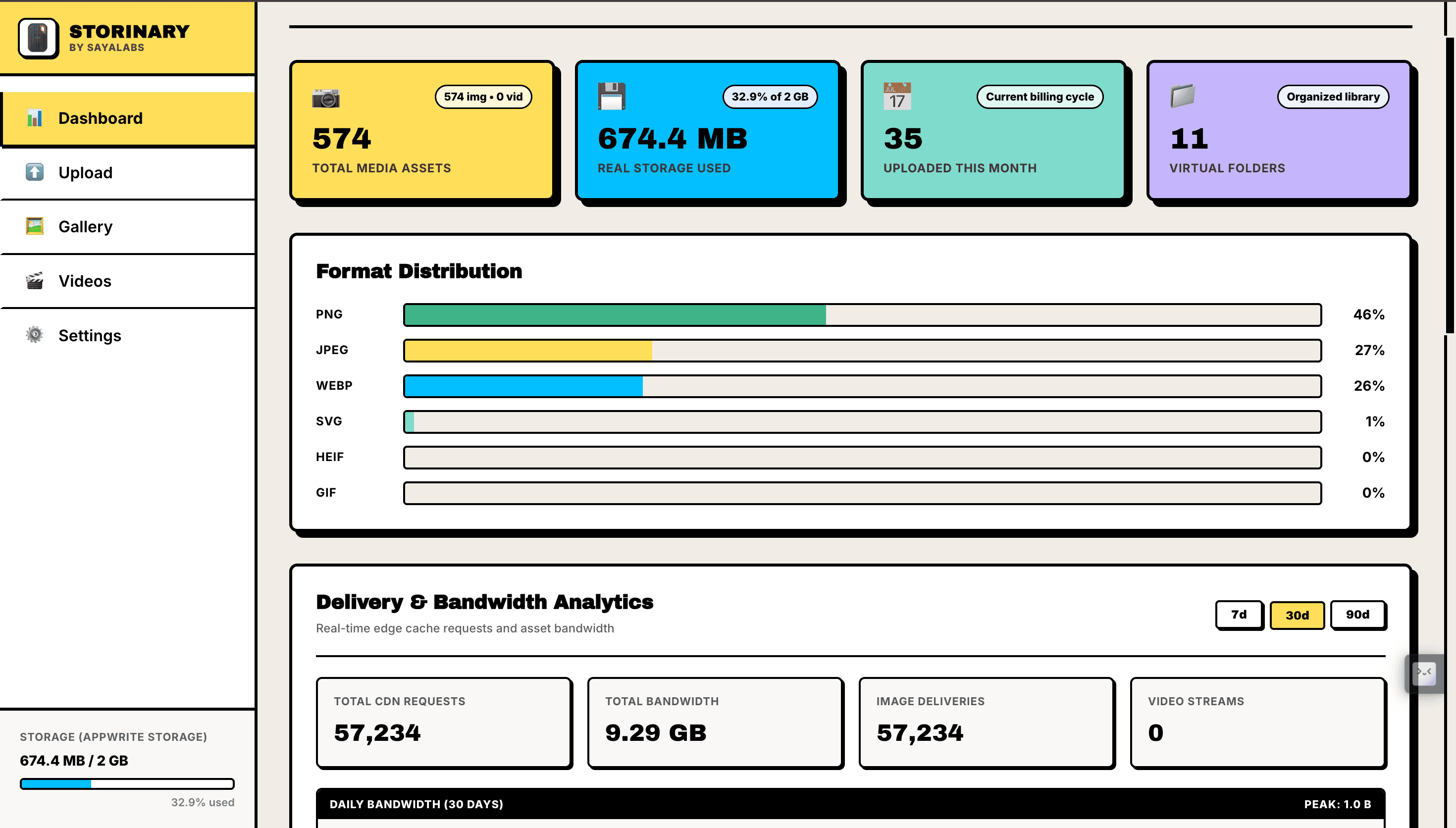
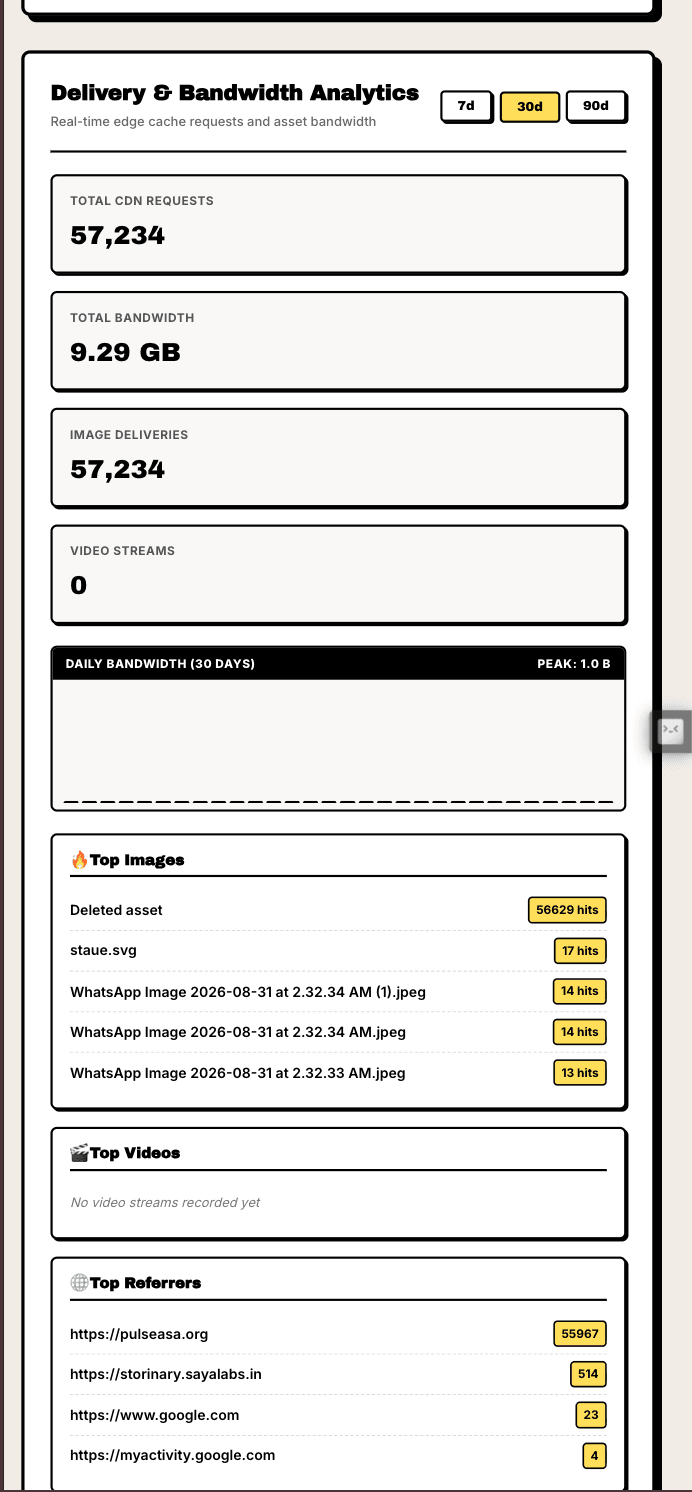
Self-hosted visual storytelling and multimedia narrative engine engineered for zero platform fees, full data ownership, and instant serverless scaling.

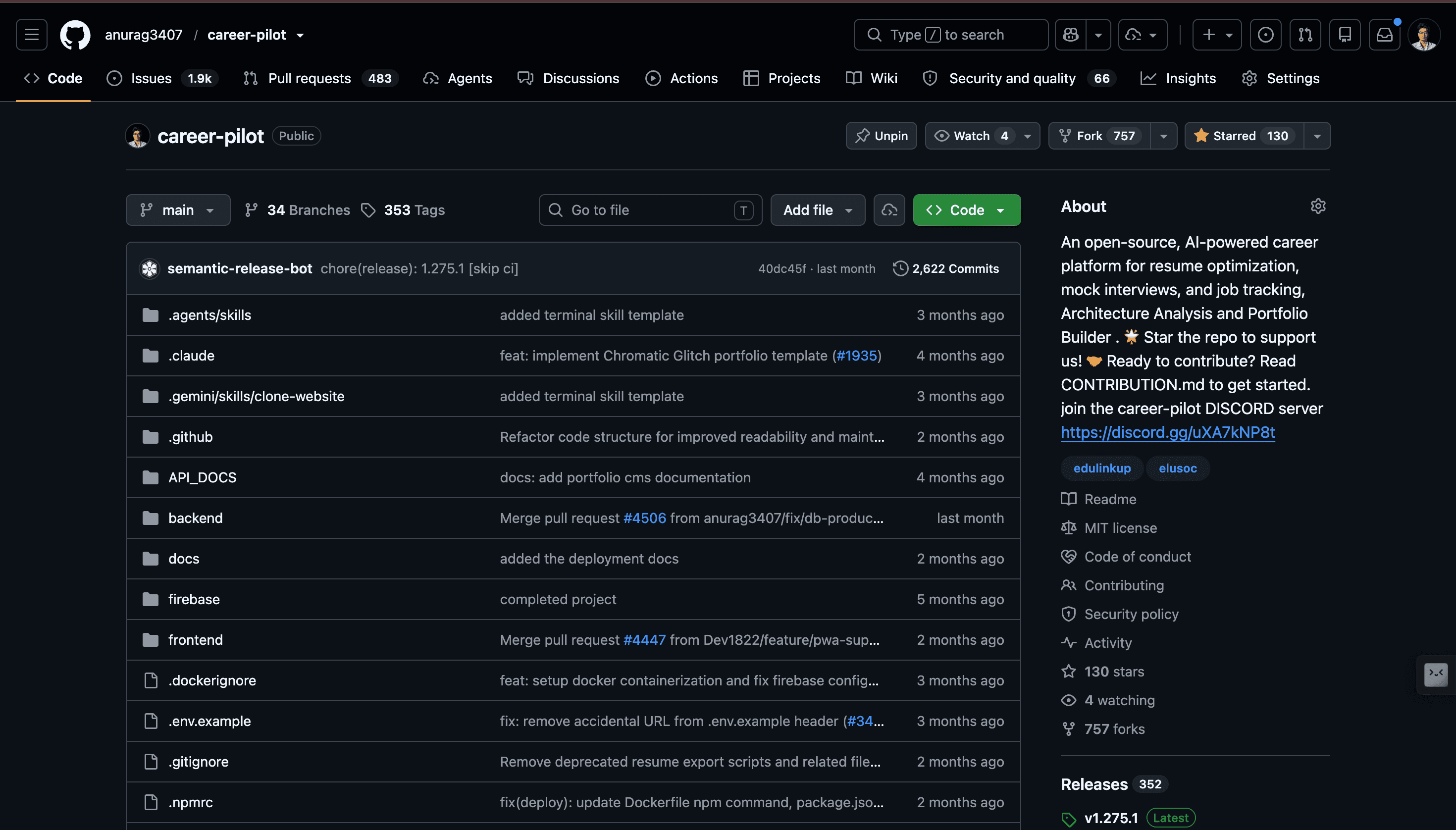
A viral open-source career navigation platform with worldwide adoption. Powering career roadmaps and resume telemetry for thousands of engineers.

Worldwide repository forks & derivatives
GitHub stargazers & active community
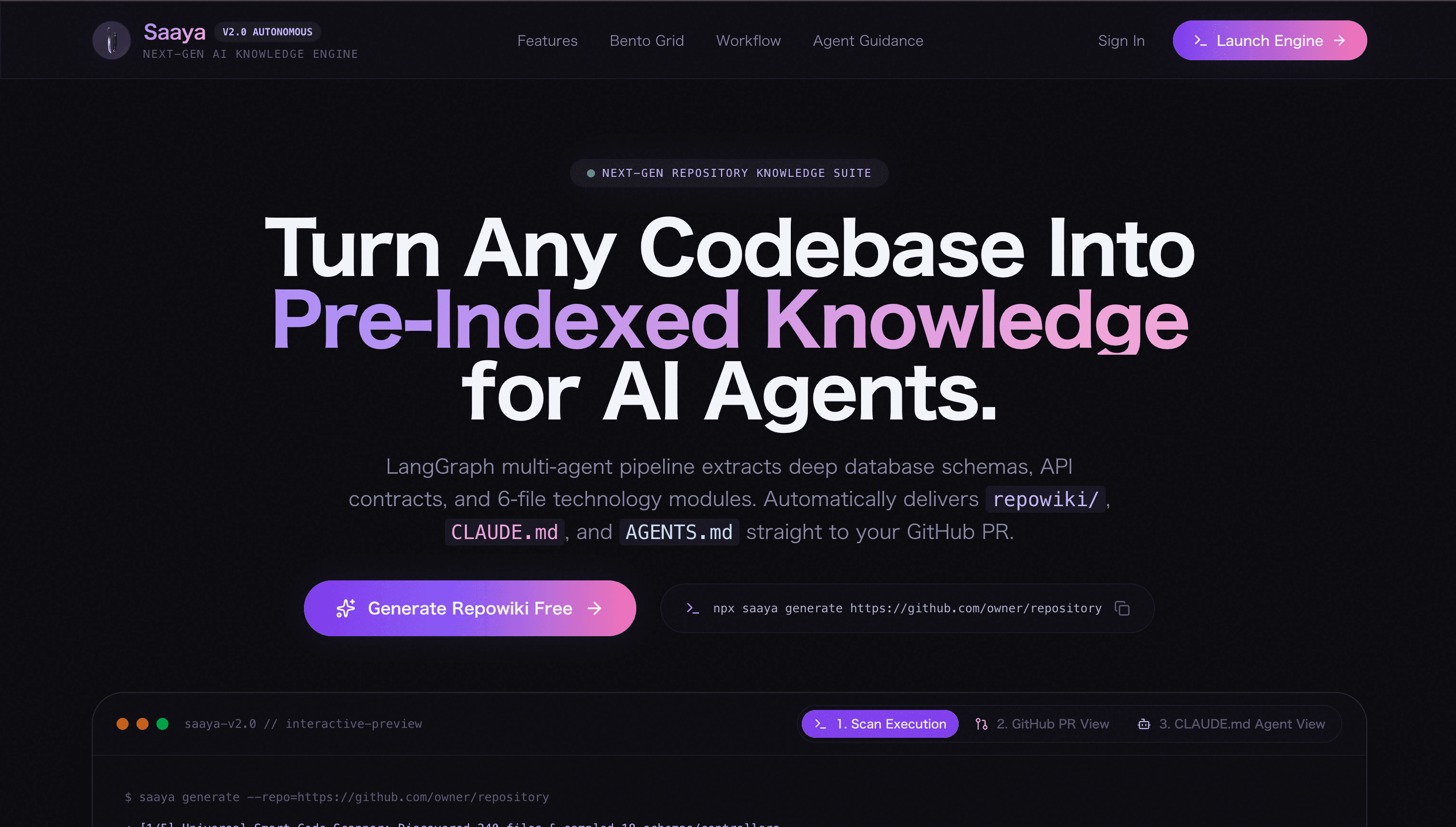
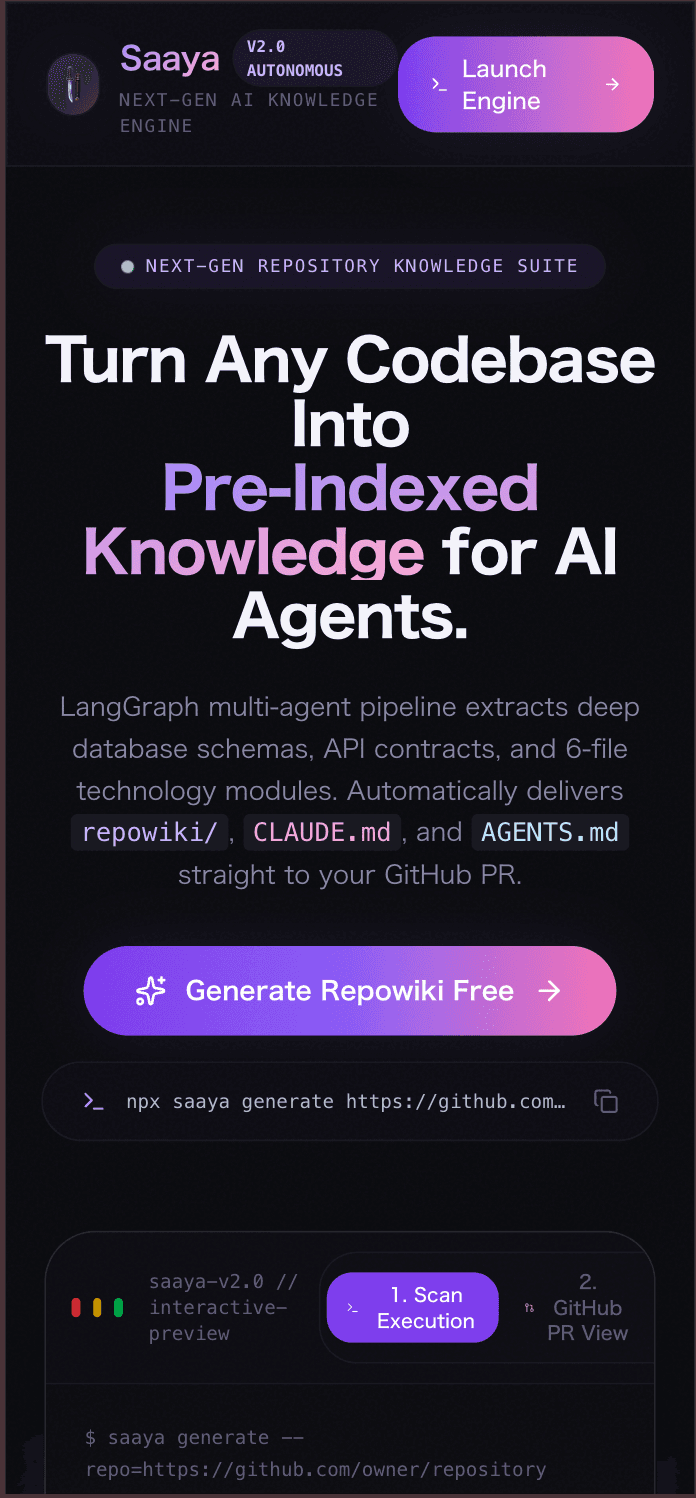
Instant comprehensive codebase context and architectural maps for AI agents (Claude Code, Cursor). Eliminates token waste with zero configuration.

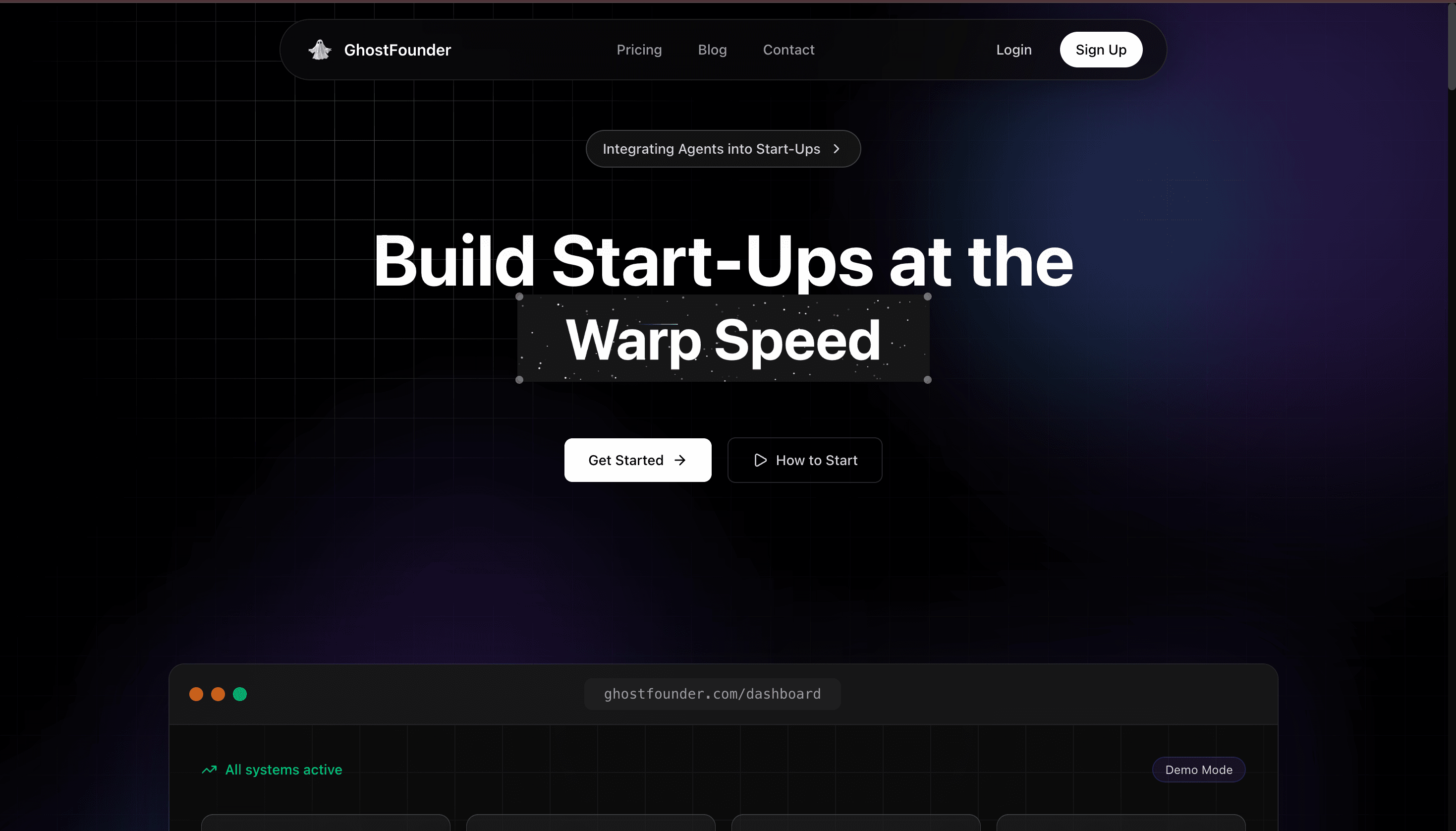
An autonomous AI & Web3 venture creation suite and multi-cloud deployment engine that automatically scaffolds, secures, and deploys full-stack startups.

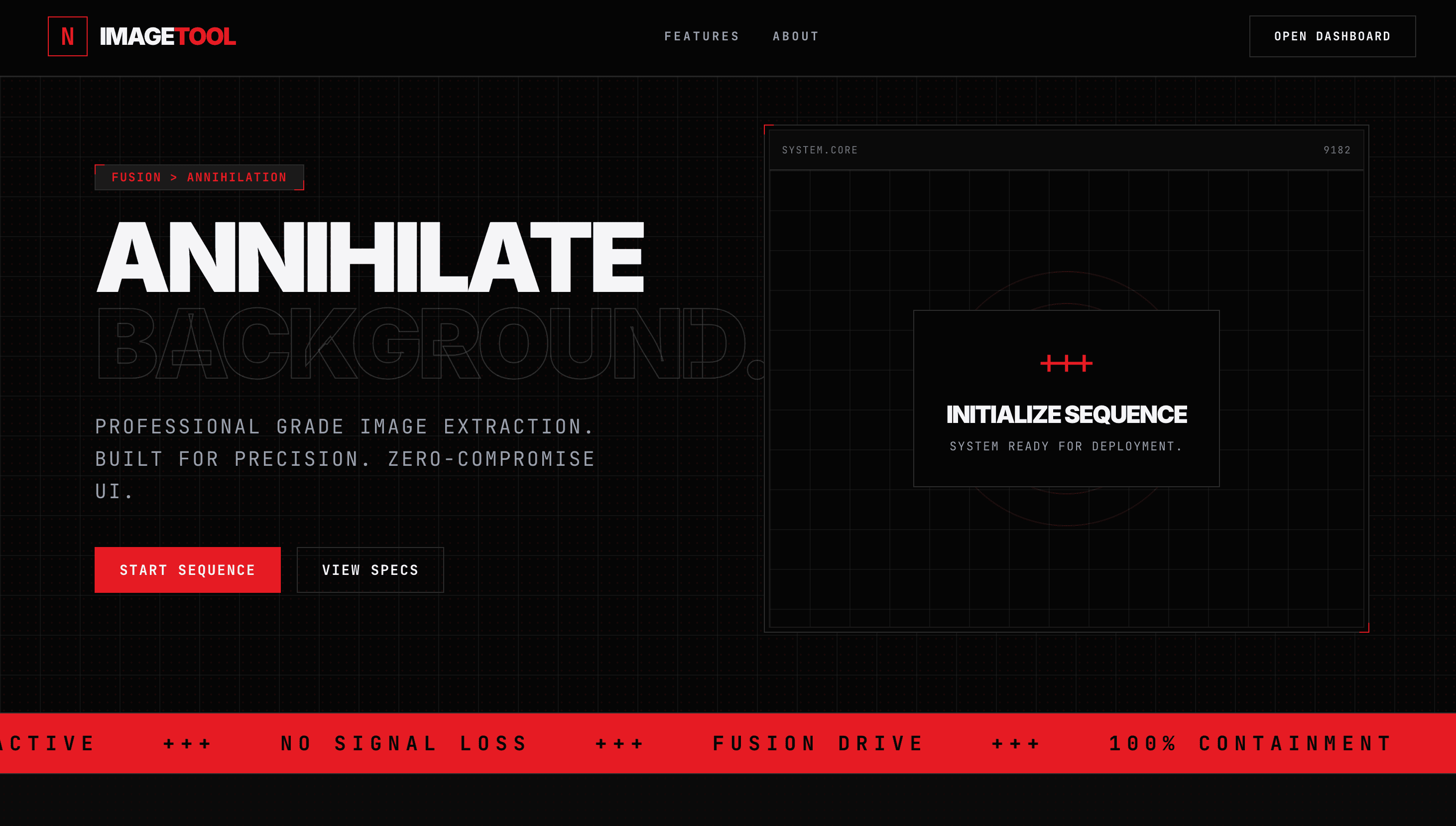
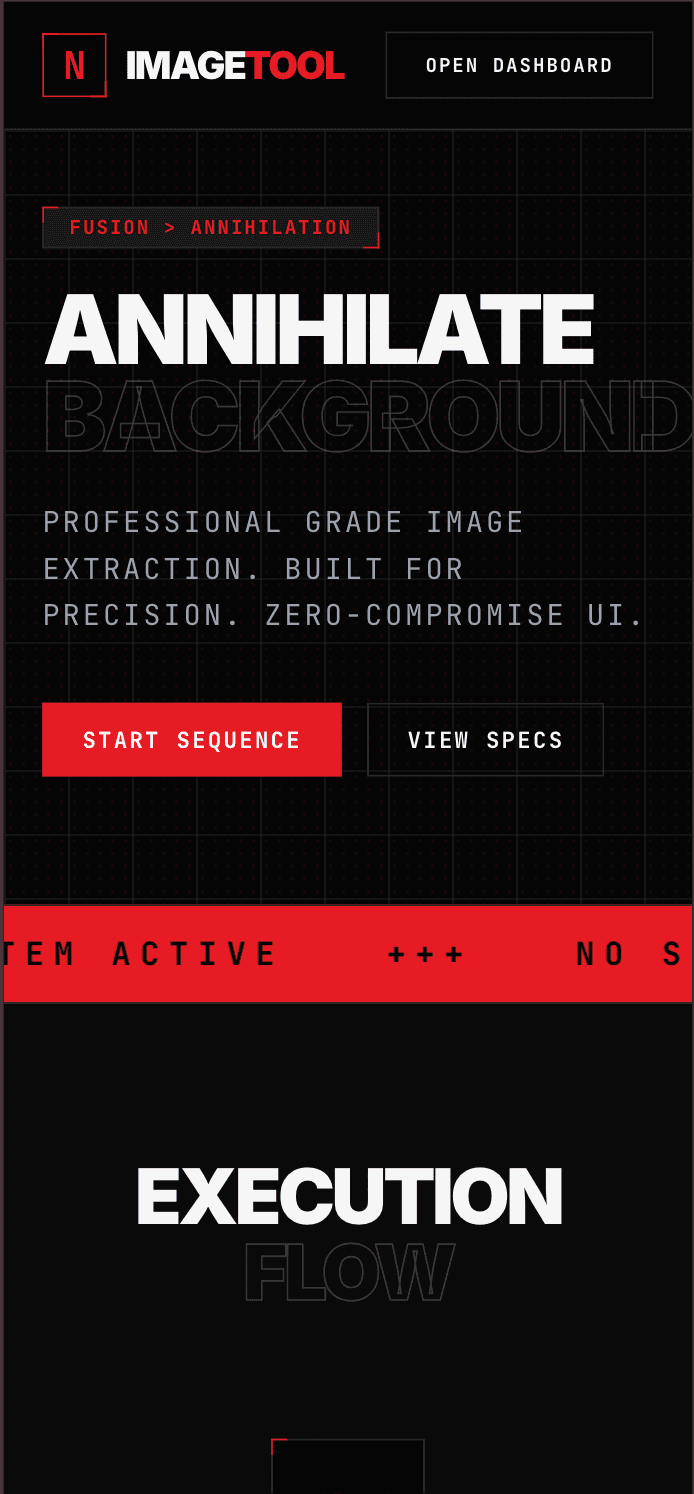
High-performance browser-native image manipulation and background removal tool powered by WebAssembly and direct signed Cloudinary integrations.

I build with the best AI tools in the loop — and I know exactly where the loop needs a human. The tools write fast; the workflow makes it right.
Brief, market and existing codebase mapped before a line gets written
Every build starts with a deep research pass — the brief, the market, and any existing codebase — so decisions are informed, not guessed.
The right skills, MCP servers and project rules get wired up first, so every agent works with full context — and works my way.
Tech stack and libraries chosen for this problem, not whatever's trending — then a clean, typed project skeleton to build on.
A generated implementation plan and PRD, reviewed and refined until it's right. The plan changes cheaply — code doesn't.
Agent wants to run:
Agents propose, I decide. Every approval request — deploys, migrations, destructive commands — gets a human review before it runs.
CodeRabbit and CodeAnt review every PR, then CI runs the full suite. Nothing ships unreviewed — by machine or by me.
Vibe coding wins the first hour. It loses the first rewrite. Here's the honest math — including where it beats me.
It beats me to the demo — by a nose. Then the rewrite starts.
Portfolios show the past — this shows the present. A live feed of what I'm building, learning, and open to. Updated as reality changes.
Three real tasks, scripted end-to-end. Pick one and watch the agent reason, call tools, and close the loop — the same loop my production agents run every day.
select a task to begin ↖
Six practices I work across — each one a node graph from brief to ship.
Interfaces that feel inevitable.
From Postgres indexes to the last easing curve — one person, whole product. This is the mode that ships the thing.
I instrument first, then ship. Traces, red-metric dashboards, alerts that page me — not you — when reality drifts from the design.
span drill-down on click — every hop accounted for
The stack is deliberately dull; the performance graph is not. Caching layers, query surgery, and load tests before the traffic arrives.
ingest pipeline — no back-pressure in 6 months
Blue-green releases, feature flags, one-click rollback. Shipping is a non-event — which is exactly the point.
rollback rehearsed — flag off, traffic back, 90 seconds
Hover a law — every project below follows them